


Educational Options and Deployment Supports
Explore educational options available in your community. Find resources to help your Family through the deployment cycle.

Army Youth Sponsorship Program
Connect with the Army Youth Sponsorship Program for all transitions experienced by children and youth.

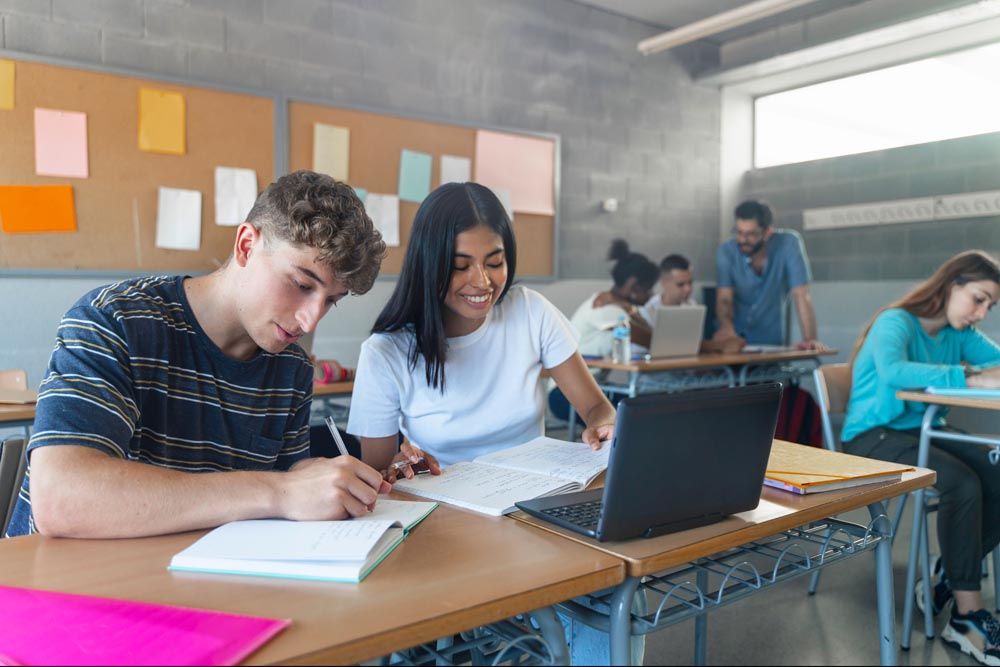
Registering your child for school in a new location can be confusing!
We help you quickly settle your kids into their new schools by providing all the info you need on registration, start dates, and requirements. Contact us for more details!



School Liaison Officers
Serve as the primary conduit between military installations and schools, supporting K-12 families with education transitions, school navigation, and special education advocacy
- Provide information on student registration in the local school system
- Provide information on the Student Meal Program
- Educate parents on the local school system, policies, procedures, programs and schedules
- Coordinate with School Age Center and Youth Center for Homework Centers and Youth Technology Labs
Find Your School
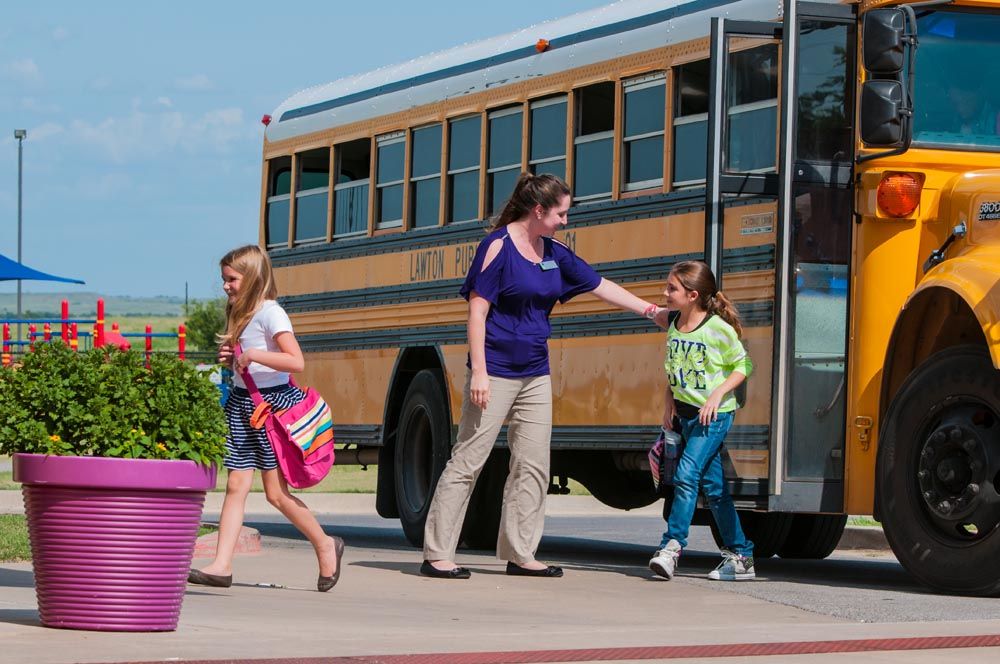
School Liaison Officers (SLOs) play a crucial role in helping parents find and prepare for a new school after a Permanent Change of Station (PCS). Their expertise and resources ensure that military families can navigate the challenges of school transitions smoothly and confidently.
How SLOs Help Parents Find and Prepare for a New School After PCS:
- School Research and Selection:
- SLOs provide detailed information about local schools near the new installation, including public, private, charter, and Department of War Education Activity (DoWEA) schools.
- They help parents understand school options, academic programs, extracurricular activities, and enrollment requirements.
- SLOs can assist in identifying schools that meet specific needs, such as special education services, gifted programs, or advanced placement courses.
- Enrollment Assistance:
- SLOs guide parents through the enrollment process, including required documentation such as transcripts, immunization records, and proof of residency.
- They help families understand state-specific requirements and timelines for registration.
- Understanding the Interstate Compact:
- SLOs educate parents about the Interstate Compact on Educational Opportunity for Military Children, which ensures smooth transitions for military-connected students. This includes assistance with transferring credits, placement in appropriate classes, and meeting graduation requirements.
- School Tours and Introductions:
- SLOs can coordinate school tours and introductions to teachers, counselors, and administrators, helping families feel welcomed and informed about their new school environment.
- Transition Support:
- SLOs provide resources and strategies to help students adjust socially and emotionally to their new school, including tips for making friends and getting involved in extracurricular activities.
- They offer workshops for parents on supporting their child’s transition and addressing challenges such as anxiety or academic adjustments.
- Youth Sponsorship Programs:
- SLOs connect families with the Youth Sponsorship Program, which pairs incoming students with trained peers to help them navigate their new school and community.
- Special Education and Individual Needs:
- For families with children requiring special education services, SLOs assist in understanding school processes and policies as well as ensuring continuity of services during the transition.
- Community Resources:
- SLOs provide information about local community resources, such as tutoring programs, after-school activities, and family support services, to help families integrate into their new environment.
Why It Matters:
Relocating to a new school after a PCS can be overwhelming for both parents and students. SLOs serve as trusted advisors, offering personalized guidance and resources to ensure families feel supported every step of the way. Their expertise helps military-connected students transition smoothly, maintain academic progress, and thrive in their new school environment.
Research-based Characteristics of Quality Schools
Most schools share fundamental characteristics that prepare students for the future. Research shows that the most effective schools are more alike than they are different. Here are some information about what to look for in quality schools:
- Five Key Features of Effective Schools
- The United States Department of Education provides detailed information about choosing a school and offers a great number of resources to help you make an informed decision when choosing a school for your child.
- Georgia College and Career Ready Performance Index (Official Georgia School Ratings)
Georgia and Fort Stewart School Enrollment Information Age Requirements:
- Pre-Kindergarten (Students must be four years old on or before Sept. 1 of current year)
- Kindergarten (Students must be five years old on or before September 1 of current year)
- First Grade (Students must be six years old on or before September 1 of current year)
- Grades 2, 3, 4, 5, 6**, 7, 8, 9, 10, 11, 12 **Grade 6 – Proof of second MMR and second Varicella Vaccine/Immunity
- All students born on or after Jan. 1, 2002 & entering or transferring into 7th grade need proof of an adolescent pertussis (Whooping Cough) booster immunization (Tdap). Proof of Tdap immunization must be documented on the Georgia Immunization Certificate (Form 3231)
Immunization Requirements:
Immunization Records: An adequate and up-to-date Immunization record (GA Form 3231) 30 day grace period
GA Certificate of Ear, Eye, Dental, and Nutrition Record. (GA Form 3300)
Enrollment Requirements:
1. Birth Certificate (Evidence of Date of Birth)
2. Immunization Record (GA Form 3231)
3. Social Security Card
4. Ear-Eye-Dental & Nutrition Record (GA Form 3300)
5. 2 Proofs of Parent/Custodian Address

Preparing your student for the new School
Contact your School Liaison Officer.

Additional Resources
More links, documents, and tools to support your family.
- Impact Aid
Many U.S. school districts include federally owned, tax-exempt land, such as military bases, which significantly reduces local property tax revenue. Despite this financial challenge, these districts are still required to provide quality education to students residing on these lands.
To help address this funding gap, Congress established the Impact Aid Program. This program provides financial assistance to school districts based on the number of eligible federal employees or military families who complete an annual survey form. Impact Aid partially compensates for the loss of local tax revenue caused by federally owned, non-taxable property, ensuring schools can continue to meet the educational needs of their students. -
Non-DoW School Program (NDSP)
At overseas/international locations where there is not a Department of War Education Activity (DoWEA) school, NDSP supports a variety of options for your children, ranging from public or private schools to homeschool programs. NDSP has a team of education specialists who are available to provide transition and educational support and coordination for all students, including those with special needs.